Most people decorating a room think in terms of colour first. Paint swatches, fabric samples, maybe a rug that ties everything together. Light rarely makes the list until it’s the one thing missing, and nobody can figure out why the room still feels flat despite doing everything “right.”
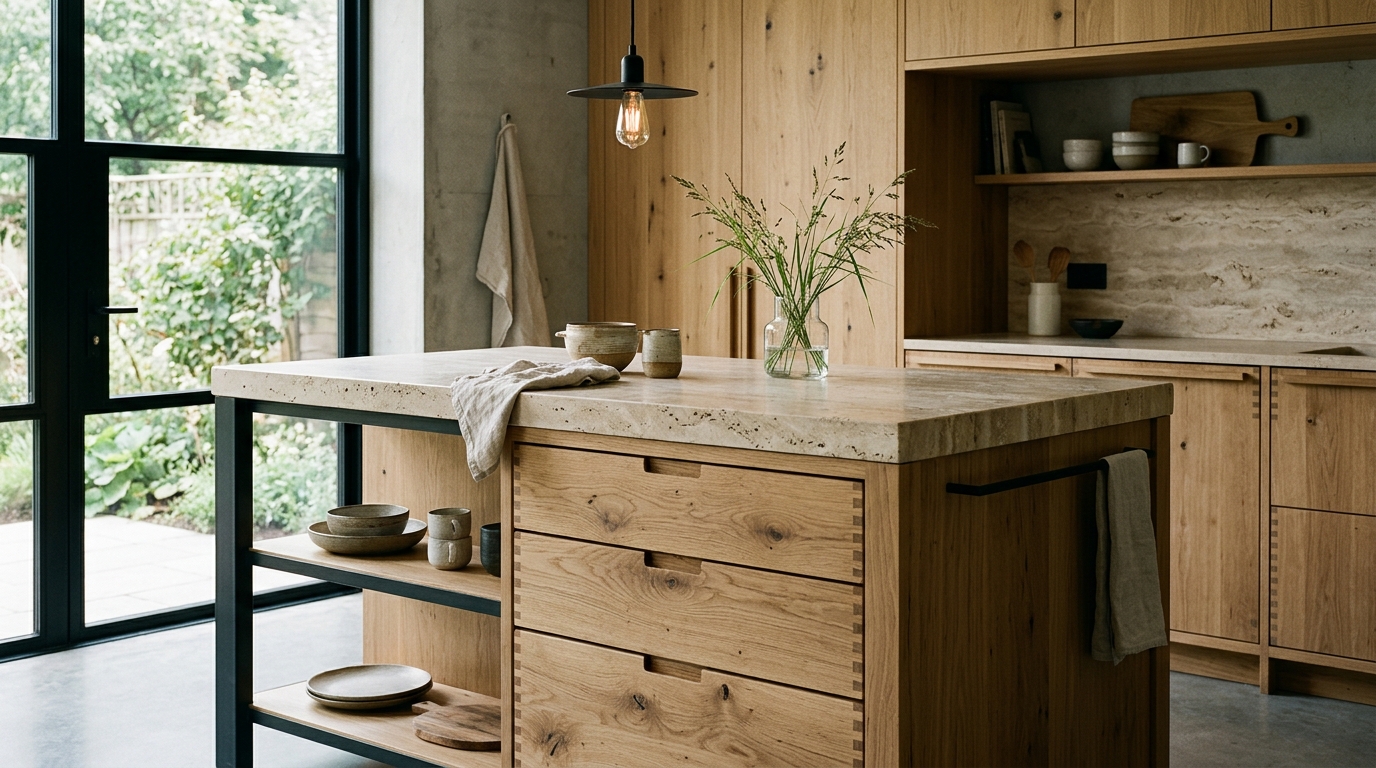
Here’s what nobody tells you at the paint shop: colour gives a room its mood, but light and texture give it dimension. And wood, more than almost any other material, is exceptional at working with both. Run your hand across a raw-textured panel versus a glossy laminate sheet, and you’ll feel immediately why one throws interesting shadows, and the other just reflects light flatly back at you.
Why Flat Surfaces Struggle No Matter How Good the Lighting Is
Put a spotlight on a smooth, glossy surface, and you’ll get glare. Point the same light at something with texture — grain lines, grooves, a slightly uneven finish — and you get something far more interesting: shadow. Small pockets of darkness sitting right next to highlights, changing shape as the light source moves or as the sun crosses the sky outside.
This is really the whole secret behind why textured wood surfaces feel richer than smooth ones, even under identical lighting conditions. A flat surface can only ever do one thing with light — bounce it back uniformly. A textured one breaks that light up into dozens of tiny variations, and your eye reads that variation as depth, even though the wall itself might only be a few centimetres thick.
Grain Isn't Just Decoration — It's Doing Optical Work
Every piece of wood carries a grain pattern, and that pattern isn’t just there to look pretty. It’s a physical map of ridges and valleys, even in surfaces that feel smooth to the touch. Under raking light — light hitting at a low angle, like early morning sun through a window — that grain casts genuine micro-shadows across the surface.
This is part of why a natural wood floor looks completely different at 8 am compared to 2 pm. The grain hasn’t changed. The angle of light hitting it has, and that shift is enough to make the same floor look warmer in the morning and flatter at midday. Designers who understand this tend to place wood surfaces deliberately in rooms that get strong angled light through the day, rather than relying entirely on overhead fixtures that flatten everything evenly.
Fluted and Grooved Panels Take This Idea Further
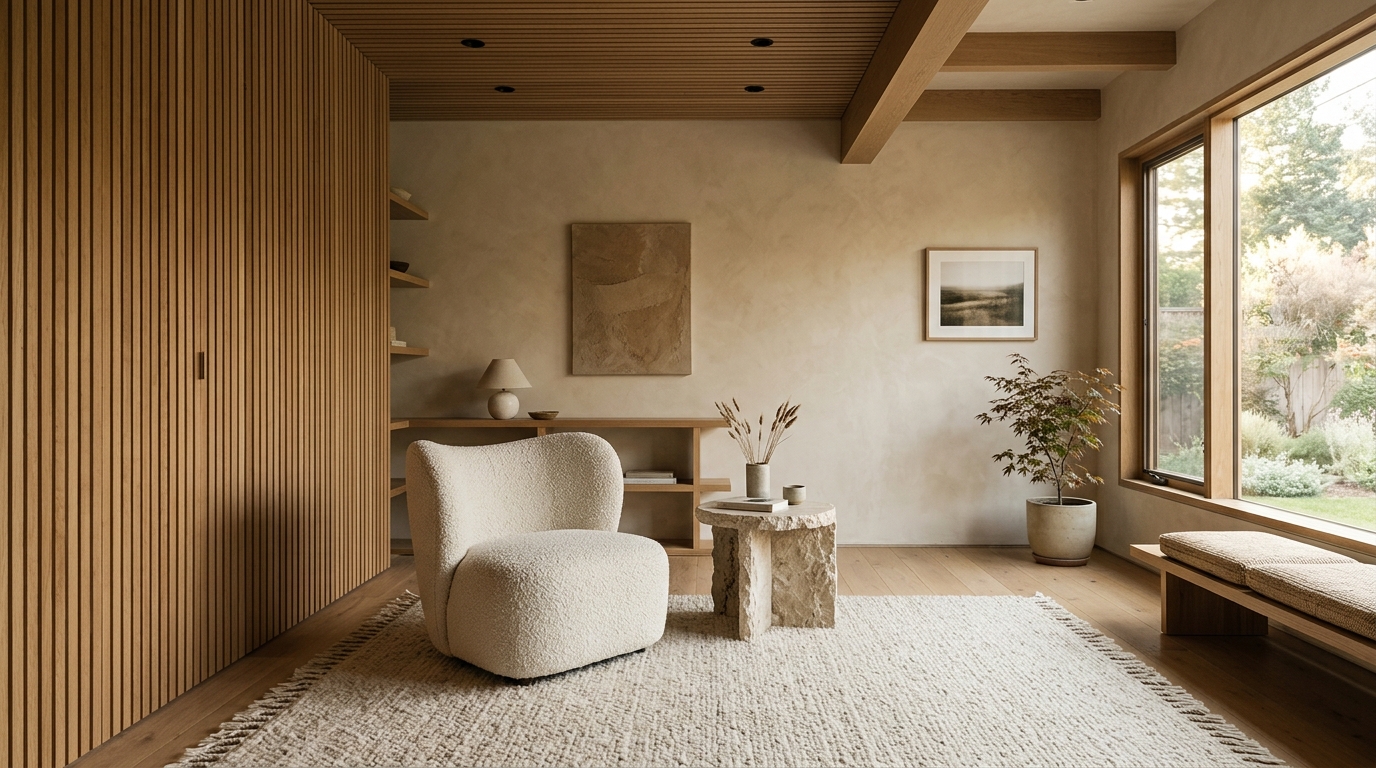
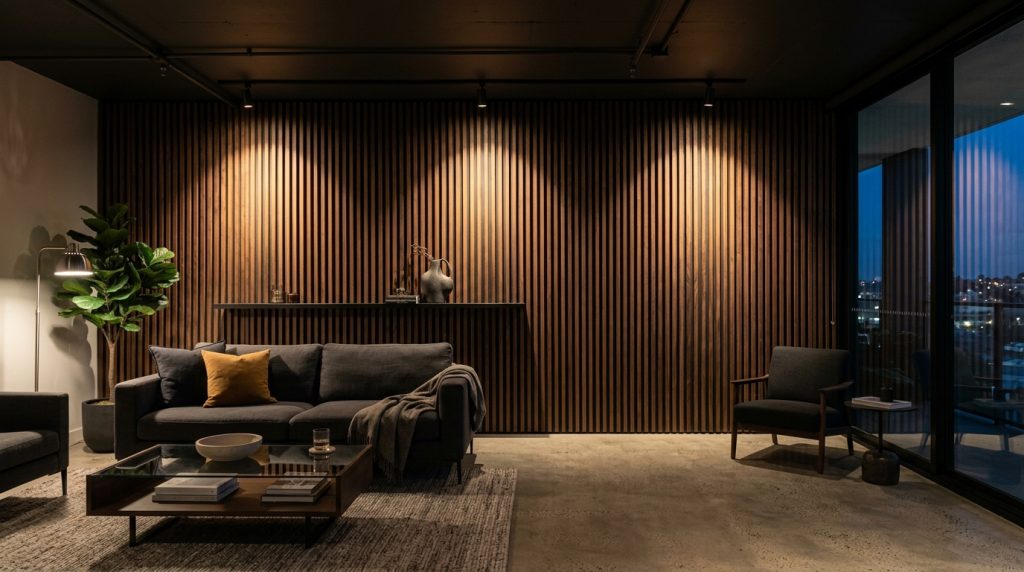
If grain alone creates subtle shadow, then deliberately carved grooves — like fluted wood panelling — push the same principle much further. Instead of leaving shadow-play to chance, a fluted panel manufactures it on purpose. Every groove becomes a tiny valley that light can’t fully reach, and every ridge between grooves catches whatever light does arrive.
Walk past a fluted wall as the light shifts — someone turning on a lamp, clouds moving outside, evening replacing afternoon — and the wall genuinely looks different each time. That’s not an accident of good design; it’s the direct, physical result of controlled texture interacting with changing light. Few materials pull this off as convincingly as timber and wood-based panelling.
Matte, Satin, or Gloss: The Finish Changes Everything
Here’s something that trips a lot of people up while choosing finishes: the same textured wood panel can look completely different depending on how it’s finished. A high-gloss coat tends to smooth over a lot of that shadow-play — you get shine, but you sacrifice some of the depth that raw or matte texture would’ve given you.
Matte and satin finishes, by comparison, tend to preserve texture-driven shadows far better. Light doesn’t bounce off cleanly; it scatters slightly, letting the underlying grain or grooves still do their job. If depth and warmth are what you’re after — rather than a shiny showroom look — leaning toward matte or low-sheen finishes on textured wood is usually the smarter call.
Where This Actually Plays Out in a Room
Feature walls positioned near windows. A fluted or textured wood panel placed where it catches natural light through the day will shift character constantly — something a plain painted wall simply can’t replicate no matter how good the paint colour is.
Wardrobes and cabinetry under angled lighting. Wall-mounted or recessed lights placed at an angle, rather than straight down, bring out grain and groove texture far more effectively than flat overhead lighting ever could.
Ceiling panelling with a light source below. Uplighting against a textured wood ceiling creates a soft wash of shadow that a smooth painted ceiling simply reflects past without doing anything interesting.
Reception areas and hallways. Spaces people walk through rather than sit in benefit enormously from this kind of shifting visual interest — it gives a passage a reason to feel considered rather than purely functional.
Why the Material Underneath Still Matters
None of this shadow-and-light interplay works particularly well if the wood surface itself isn’t holding its shape properly. Warped panels, uneven grooves, or a surface that’s shifted slightly out of true will scatter light unpredictably rather than in the controlled, intentional way good design is going for.
This is where the quality of the base material — plywood, specifically — quietly does a lot of the work nobody notices until it’s missing. Engineered plywood holds a flat, stable surface far more reliably than solid timber exposed to humidity swings, which means grooves stay crisp and grain patterns stay where they were cut. A slightly warped panel doesn’t just look worse up close — it actually throws shadow inconsistently, undoing a lot of the visual effect the design was going for in the first place.
Bringing Colour Back Into the Conversation
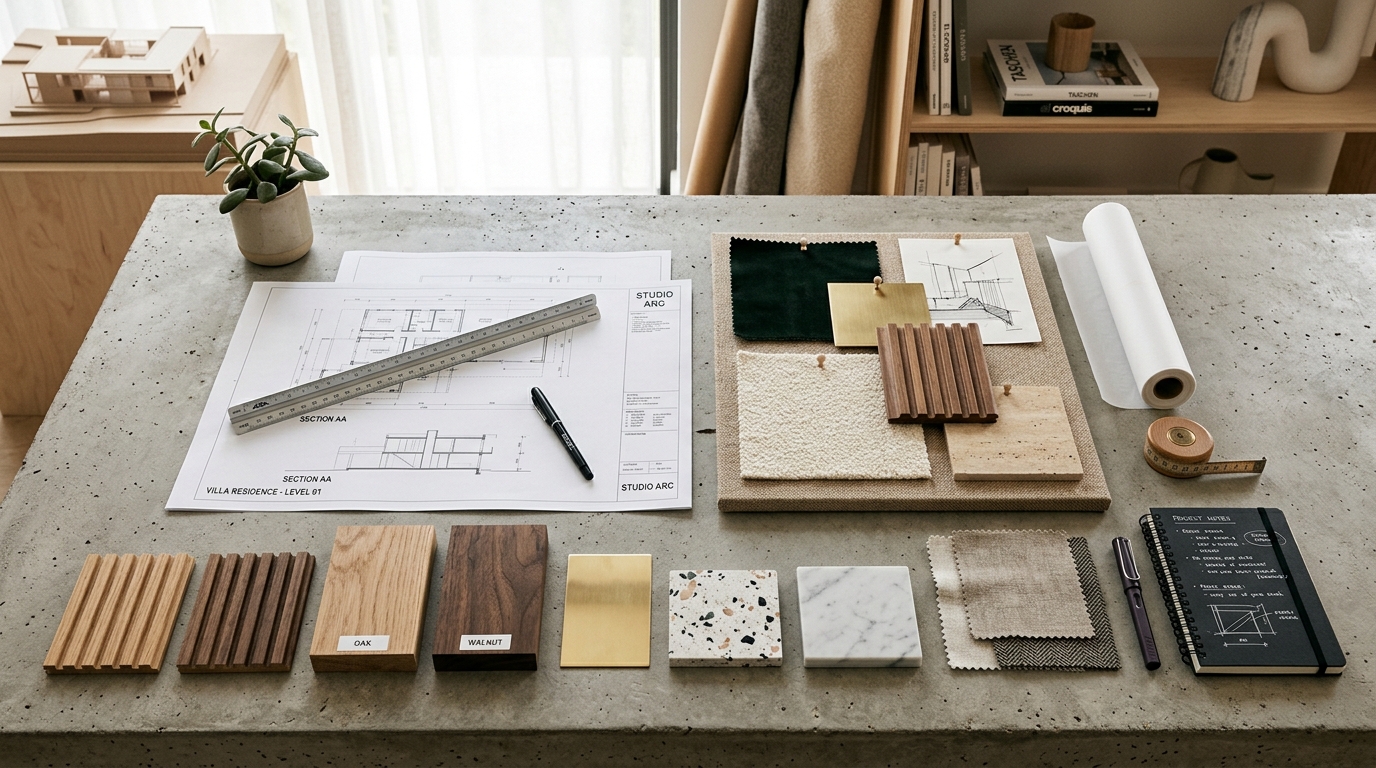
None of this is an argument against colour — it’s really an argument for sequencing. Choose your wood texture and think through how light will hit it first, and colour becomes the layer that supports that decision rather than trying to compensate for a flat, texture-less base. A muted, warm wall colour behind a fluted or grained wood panel tends to let the shadow-play take centre stage, rather than competing with it for attention.
Conclusion
Depth in a room rarely comes from adding more — more colour, more furniture, more decoration. More often, it comes from paying attention to how light actually behaves on the surfaces already in the space. Wood happens to be one of the few materials that rewards that attention generously, because its grain and texture were never meant to sit under flat, uniform light in the first place.
Get the material right, get the finish right, and let daylight or a well-placed lamp do the rest. The shadows will do a surprising amount of the design work on their own.