Ever walked into a room and couldn’t quite explain why it felt so put-together? Nine times out of ten, it’s not the sofa or the paint colour doing the heavy lifting; it’s the wall behind it. Specifically, a wall with grooves running down it, catching light in a way flat surfaces never do. That’s fluted panelling, and it’s having a serious moment in home and commercial design right now.
It’s tempting to dismiss this as just another passing Pinterest trend. But fluting has actually been around since ancient Greek columns held up temple roofs. What’s changed is the material and the setting: it’s no longer stone on a monument; it’s engineered plywood on a wardrobe door, and suddenly it’s accessible to pretty much anyone renovating a room.
Breaking Down What Fluted Panels Actually Are
Strip away the design-speak, and it’s a simple concept: a wooden panel with a repeating series of grooves or channels cut into its face, usually vertically. Some panels have shallow, tightly packed grooves for a subtle texture. Others go deep and wide-spaced for something bolder and more dramatic. That one variable depth and spacing is basically what decides whether a panel reads as understated or statement-making.
The base material used to be solid timber or stone. These days, it’s far more common to see this detailing carved into good-quality plywood, which brings its own advantages that solid wood struggles to match; more on that below.

The Reasons This Trend Has Staying Power
A flat wall is either boring or trying too hard; there’s rarely a comfortable middle ground. Fluted panels somehow land right in that gap. The repeated grooves give a wall texture and rhythm without overpowering whatever furniture or artwork is around it.It reads as intentional, not decorated for decoration’s sake.
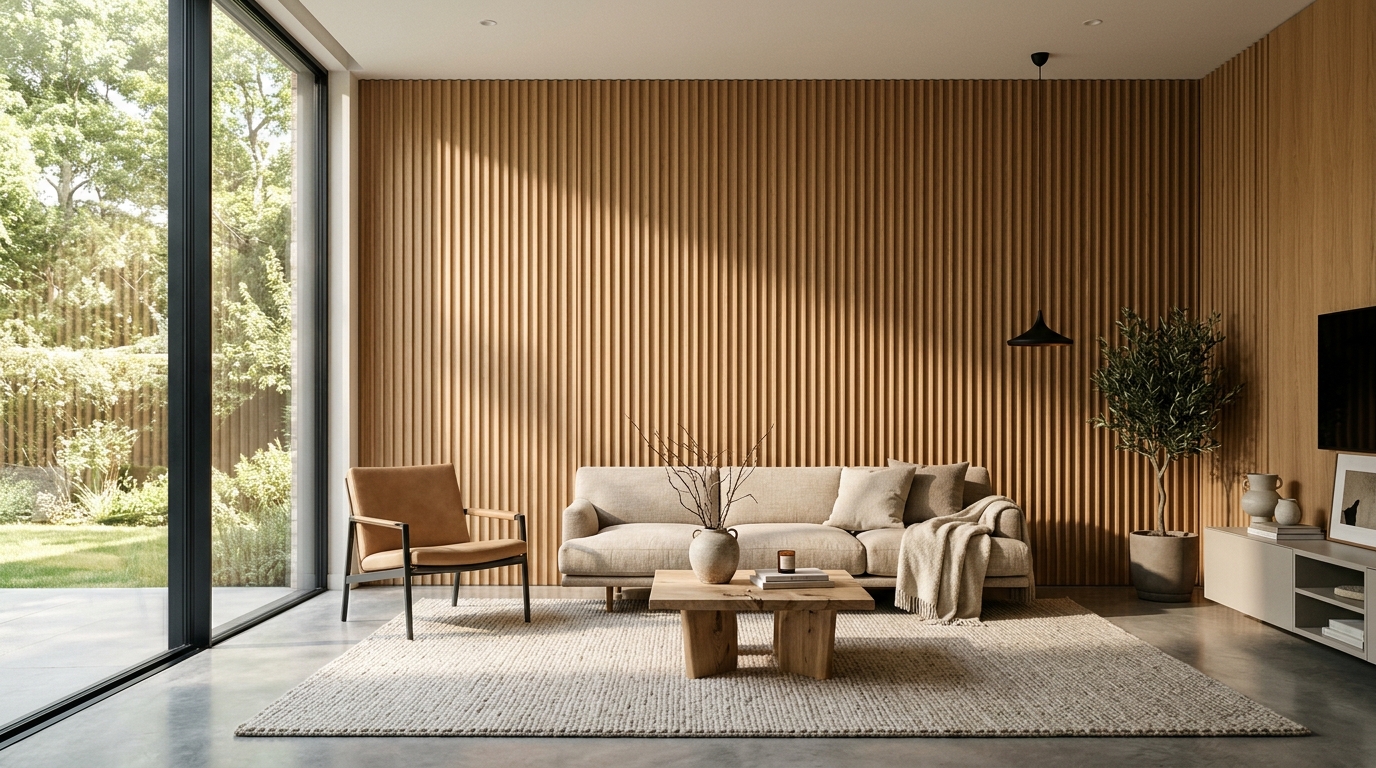
Then there’s the light. This is the bit that photos never quite capture. Sunlight moving across a grooved surface through the day creates shifting shadows, thin and soft in the morning, deeper and more pronounced by evening. A plain wall just sits there. A fluted one changes character depending on the hour, which is a strange thing for a static object to do.
It also solves a problem a lot of modern interiors run into: looking a bit too clinical. Clean lines and neutral tones are lovely, but taken too far, a space can start to feel like a showroom rather than somewhere lived in. The wood grain and tactile grooves of a fluted panel bring warmth back into the picture without undoing that sleek, contemporary base.
And then there’s sheer flexibility. A living room feature wall, a bedroom headboard, a café counter, and a hotel reception desk fluted panelling don’t discriminate by room type. That’s a big part of why designers keep returning to it project after project instead of treating it as a one-off trick.
Why the Plywood Underneath Deserves Your Attention
Here’s a detail most people gloss over: fluting is a precision cutting job. Getting clean, even grooves means the base material has to hold its shape- no chipping, no warping once the pattern’s carved in. Solid timber can look beautiful, but it also swells and contracts with humidity, which is a genuine problem when your entire design relies on straight, consistent lines running the length of a panel.
This is where decent engineered plywood earns its keep. It’s built to stay dimensionally stable, so the grooves stay crisp instead of shifting after a few humid seasons. It also cuts more predictably than a lot of solid wood, which matters enormously when you’re repeating the same pattern across a large surface.
There’s a cost and maintenance angle, too. Plywood panels finished with a good veneer or laminate can deliver that rich, natural-wood look without the level of upkeep that solid timber usually demands. For anything that handles daily wear—wardrobe doors, cabinet fronts, and high-traffic walls—that durability isn’t just a bonus feature. It’s the entire point of choosing plywood in the first place.
Where People Are Actually Putting These Panels to Use
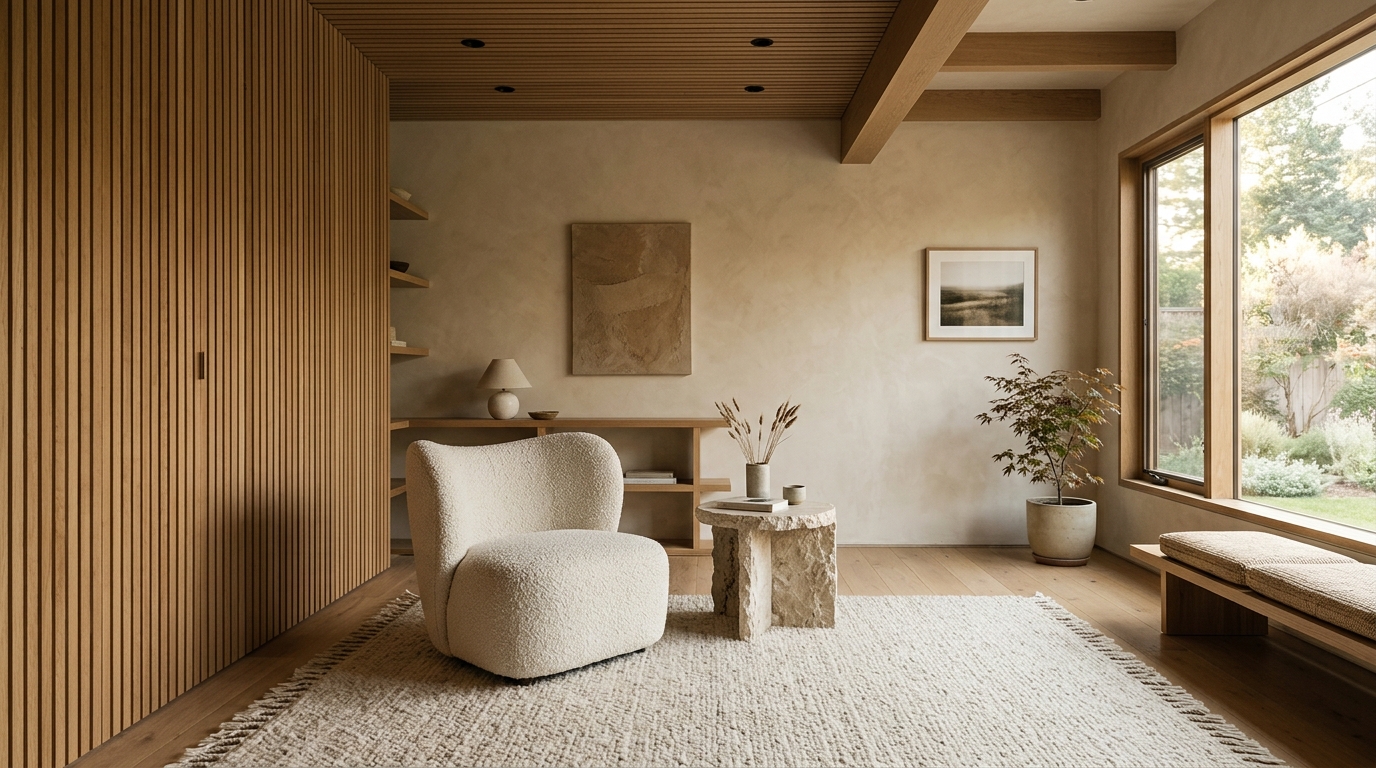
In living rooms, a fluted wall behind the television or sofa tends to be the first thing a visitor notices; it does a lot of visual work for relatively little effort. In bedrooms, it shows up on headboard walls and wardrobe shutters, giving off a boutique-hotel feel without the boutique-hotel price tag.
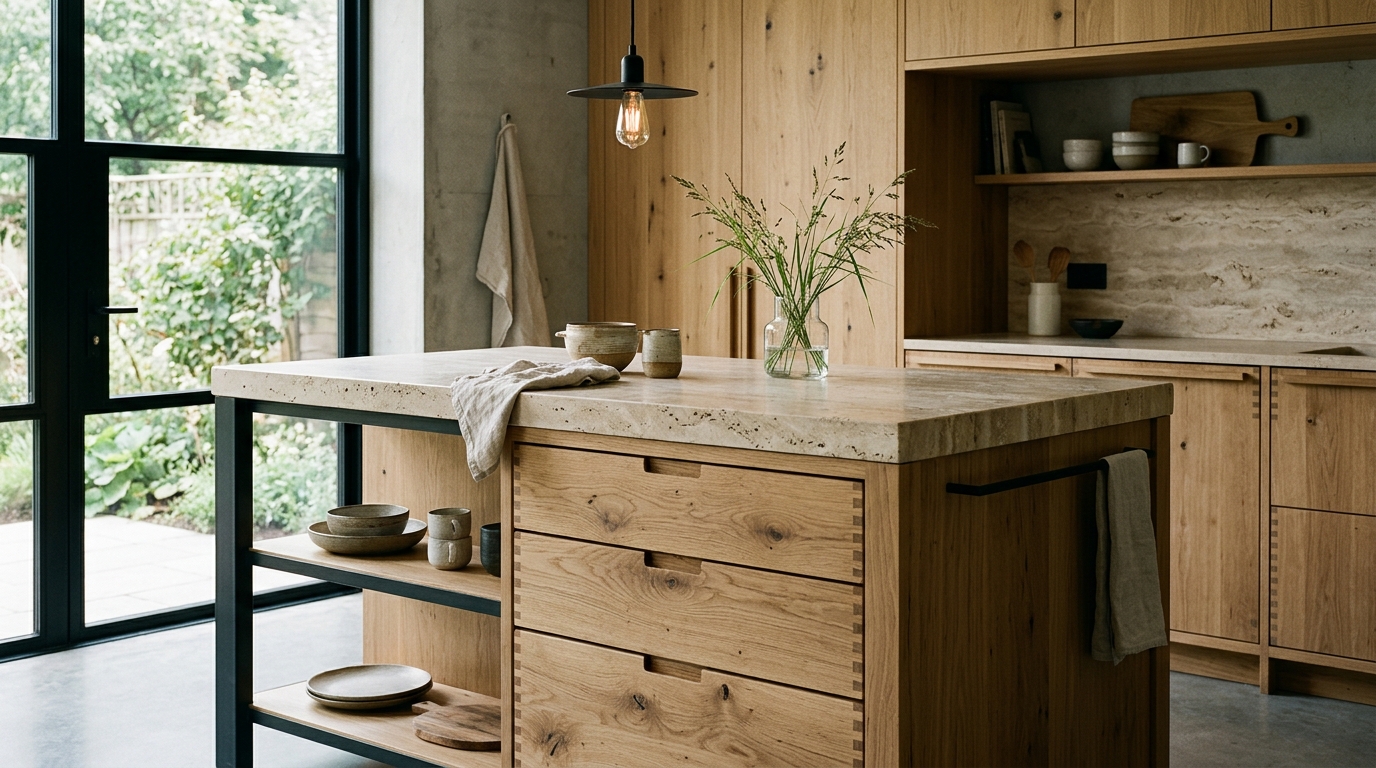
Kitchens are picking it up too, using fluted detailing on cabinet fronts and island panelling to add texture to what is usually one of the most functional rooms in the house. Commercial spaces have embraced it just as much, with offices, retail counters, and restaurant interiors using fluted detailing to make a first impression feel considered rather than generic.
A smaller group of people take it even further, using fluted panels on ceilings or as room dividers. It’s less common, but it adds a level of architectural detail a flat wall simply can’t offer.
A Few Practical Things to Weigh Up
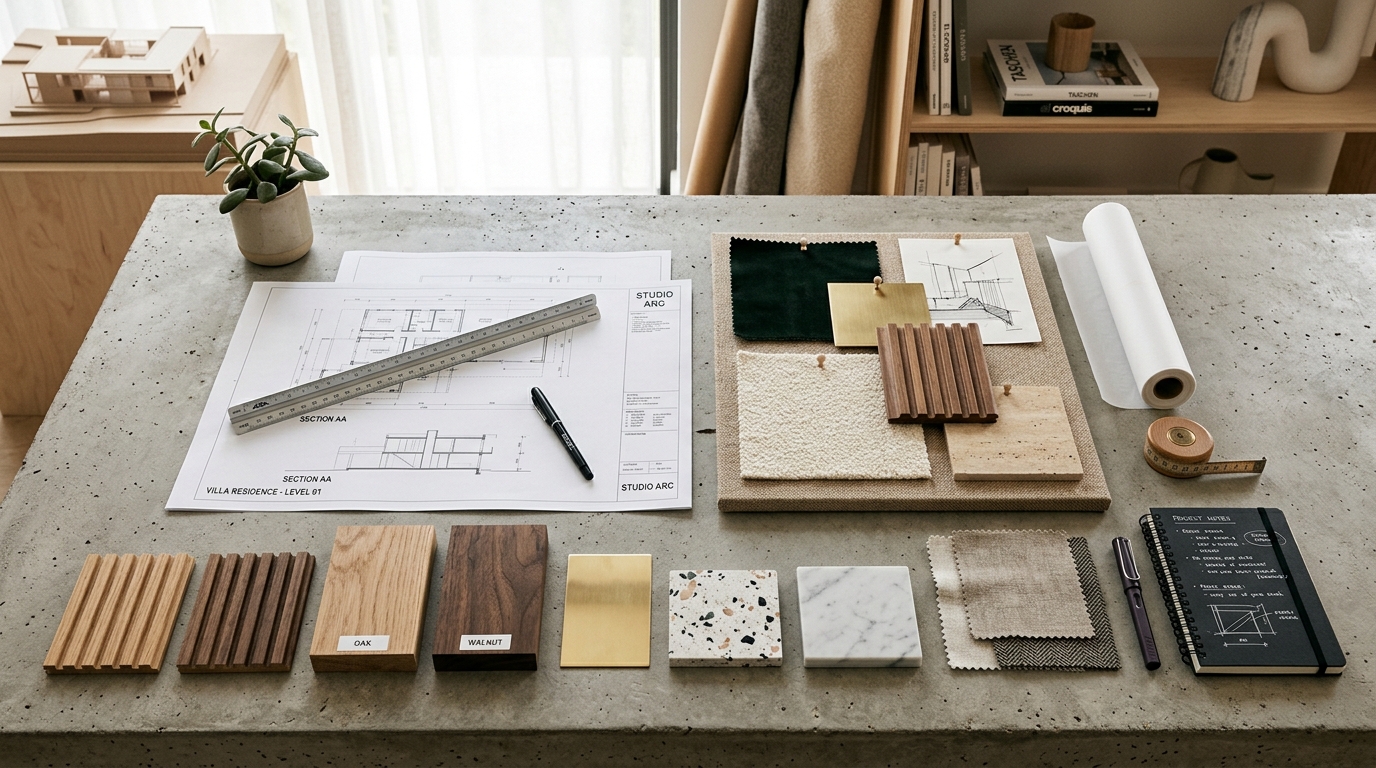
Groove depth and spacing set the entire personality of a panel: go deep and wide for something bold, or shallow and tight for a quieter, more refined look. Finish matters just as much: natural wood tones bring warmth, while a painted or laminated finish can be tailored to almost any colour scheme. And it’s worth actually checking what plywood grade sits underneath the finish, since that’s what determines how long the panel lasts, particularly in kitchens or bathrooms, where moisture-resistant variants make a real difference.
The Takeaway
What’s genuinely appealing about fluted panelling is that it isn’t a manufactured trend dressed up in fresh marketing. It’s an old architectural idea that’s simply found its way back into everyday spaces, made practical this time by decent engineered plywood rather than carved stone or marble. That’s likely why it isn’t fading the way most design fads do: it’s not chasing novelty; it’s just a genuinely good idea that finally became affordable and easy to install.
If you’re weighing up options for a wall, wardrobe, or cabinet front on an upcoming project, it’s worth a proper look. A few well-cut grooves in solid plywood can shift the entire feel of a room, and that’s not something many single design choices can claim to do.